Update date: 2026.02.25

A Guide to Solving Suitcase Trouble During Your Trip to Japan: Repair, Disposal, and Shinkansen Rules

Title

A trip to Japan is an unforgettable experience for many, but unexpected problems with suitcases can potentially spoil those memories.

"What if it breaks?" "It won't fit my souvenirs in it!" "How do I dispose of the old case?"

In particular, with the recent surge in the number of travelers, suitcases left abandoned around airports and hotels have become a social problem.

This guide, based on years of industry experience and up-to-date, reliable information, comprehensively explains practical ways to smartly resolve these issues. From emergency situations during your trip to smart alternatives when they become unnecessary , and above all , preparations to prevent trouble from occurring in the first place, we provide useful information to make your trip to Japan more comfortable and worry-free.

Title

table of contents

一、旅行中のスーツケース緊急トラブル対処法

Damage to your suitcase while traveling can be a major hindrance to your trip. Here we will explain the latest information on repair shops available in Japan as of 2026, as well as first aid measures to take in case of an emergency.

1.キャスター破損時の応急処置

Japanese roads may appear clean at first glance, but the unevenness of tactile paving blocks and old asphalt can cause the rubber on the casters to deteriorate and suddenly peel off.

  • Secure it with duct tape (cloth tape).
    If the rubber on the caster has come off and is preventing the chair from rolling, do not try to force it to roll. Instead, wrap the entire caster in cloth tape, which can be purchased at convenience stores, to "fix" it. This will cause the chair to drag, but it will prevent further damage and the chair from tipping over.
  • Moving heavy loads:
    If one of the four wheels is broken, tilt the suitcase and switch to "two-wheel driving" by pulling it using only the two remaining wheels. When doing this, it will be easier if you shift the center of gravity of the luggage closer to the remaining wheel so that the broken caster does not touch the ground.

2. 主要空港での修理・リペアサービス

空港名 店舗名・場所 特徴・サービス内容
成田空港 Riat!(リアット!) 第1ターミナル B1F 8:00〜20:00営業。キャスターの油差し、簡易修理、鍵開けに対応。
羽田空港 Riat!(リアット!) 第2ターミナル B1F 9:00〜19:00営業(日曜定休)。キャスター交換や合鍵作製が可能。
関西国際空港 案内カウンター 以前あった修理専門店が閉鎖されている場合があるため、まずは案内センターで最寄りの修理対応店を確認してください。

💡Pro Tip: How to find a repair shop in your city?
Outside of airports, there are many shoe and bag repair shops, such as "MISTER MINIT," at major train stations in Japan (Shinjuku, Shibuya, Umeda, etc.). If you search for "suitcase repair" on Google Maps, you can quickly find a shop near your current location.

3. 新幹線の「特大荷物」ルールに注意

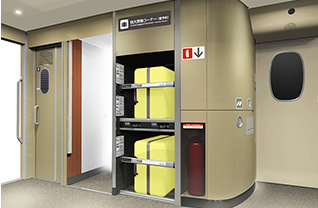
When traveling within Japan by Shinkansen (bullet train), special rules apply to large suitcases.

  • Reservations required for luggage exceeding 160cm in total dimensions <br>If you are bringing luggage that exceeds 160cm in total dimensions (length + width + height) on the Tokaido, Sanyo, Kyushu Shinkansen, etc., you must reserve a seat with extra-large luggage space in advance .
  • If you bring your items without a reservation on the day, you will be charged a handling fee (1,000 yen) and will be required to leave your belongings in a designated area.
Title

二、不要になったスーツケースの賢い対処法

If you buy a new suitcase during your trip or your old one becomes damaged and unusable, it is illegal to leave your old suitcase in the street or at the station, and this could lead to major trouble.

In Japan, please choose one of the following "correct disposal/delivery methods."

1.主要空港での引き取り・処分サービス

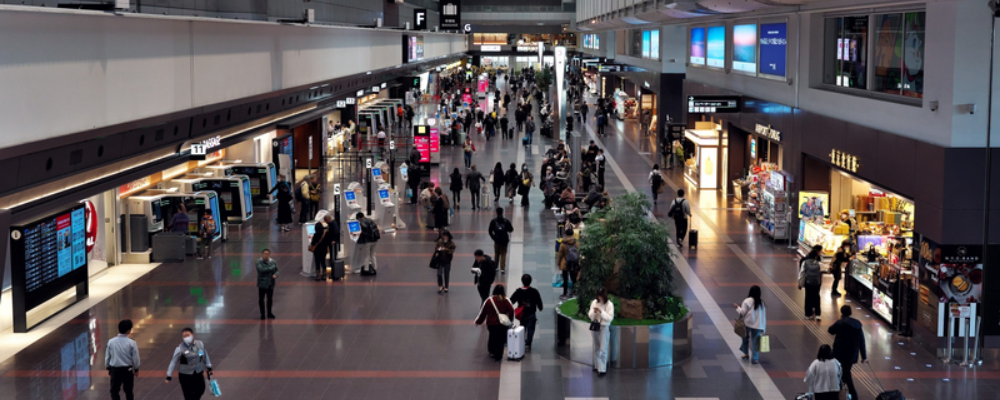
Major airports in Japan have counters where you can safely dispose of unwanted suitcases to prevent illegal dumping.

  • Chubu Centrair International Airport
    You can pick them up at the "Information Center" on the 3rd floor of Terminal 1 for 1,200 yen (tax included) per item.
  • Narita International Airport
    You can collect your luggage at the GPA service counter for a fee (starting from around 1,100 yen per item). You may also be able to trade in your old luggage for free when you buy a new one at a bag store inside the terminal.
  • Haneda Airport offers paid disposal consultations at its baggage storage facilities and specialized counters.

⚠️ Note: To dispose of the vehicle, you will need to present your passport and sign a "Consent to Relinquish Ownership."

2. 「空港宅急便」を活用して移動をスマートに

If you have too many souvenirs to carry or you want to throw away old cases but don't have the time, consider using a delivery service.

  • Yamato Transport (Airport Delivery Service)
    We can deliver your suitcase from your hotel to the airport, or from the airport to your next hotel. Hands-Free Travel counters have been added to major stations and airports, and same-day delivery is also possible.
  • Shipping tips <br>When you purchase a new case, transfer the contents of your old case into it and send the old case itself via "Airport Takkyubin" to the airport counter on the day you return home.This will allow you to sightsee lightly until your last day and then dispose of (or check in) the contents at the airport.

3. 日本在住者・長期滞在者向け:自治体のルールに従う

If you live in Japan or are staying in a weekly apartment or other long-term accommodation, local rules apply.

  • Bulky waste (fees apply)
    This is the most common method. Apply by phone or online to your local government's "Bulky Waste Reception Center," then purchase a "Bulky Waste Disposal Ticket (usually around 200 to 1,000 yen)" at a convenience store, attach it to the ticket, and put it out on the designated day.
  • Reuse (sale)
    If your items are in good condition, like New Trip products, it's a good idea to take them to a recycle shop like 2nd Street or sell them on a flea market app like Mercari.
Title

三、トラブルを回避!快適な旅のためのスーツケース選び

To prevent trouble while traveling, advance preparation is of the utmost importance. Here, we will explain the key points to consider when choosing a suitcase, which will greatly affect the comfort of your trip, as well as smart packing techniques to avoid overweight luggage and damage.

1.スーツケース選びのポイント

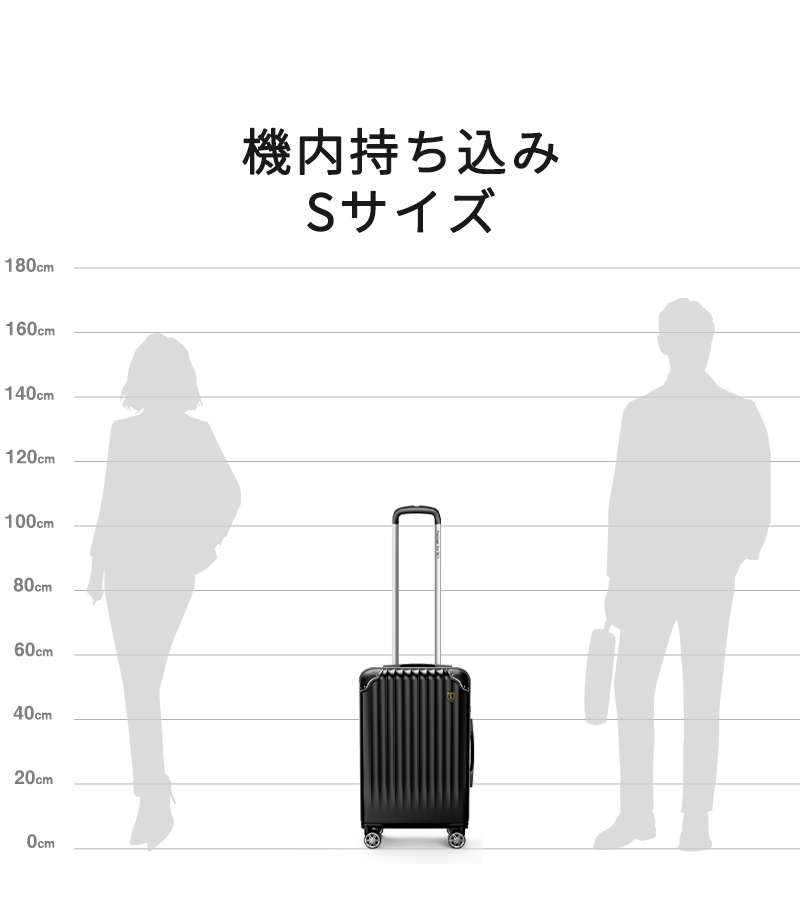
As of 2026, airline size and weight restrictions are stricter than ever before. Choosing a highly functional suitcase is not just convenient, but also the best way to prevent "expensive excess baggage fee troubles."

  • The new standard is "within 158cm"
    Starting in 2026, ANA's domestic flight and other free checked baggage regulations will be gradually revised, from the previous 203cm limit to the international standard of 158cm in total length. If you're choosing a bag now, the trick to avoiding a mistake is to choose a model that fits within 158cm at its largest size.
  • The Importance of Silent Casters <br>In urban areas in Japan, there are many uneven asphalt roads and tiled stations, so cheap casters can cause noise and breakage. Silent casters allow you to move smoothly without worrying about disturbing others, even when moving around early in the morning or late at night.
  • Expandable features ensure extra space on the way back <br>When traveling to Japan, it's common for attractive souvenirs to increase your luggage by 20-30% on the way back. Rather than buying a case that's too large from the start, it's wise to choose one with expandable features that lets you expand the capacity only when you need it, so you can have a compact bag on the way there and a large capacity on the way back.

2.重量オーバー対策

Title

Airline excess baggage fees are rising every year, and it's not uncommon for low-cost carriers to charge several thousand yen for even 1 kg over the limit. Avoid trouble by packing wisely.

  • Make measuring your luggage a habit . A hanging digital luggage checker is a convenient tool to use when traveling. Before you have to panic at the airport counter, you can weigh your luggage at the hotel and make adjustments such as moving heavy luggage to carry-on luggage.
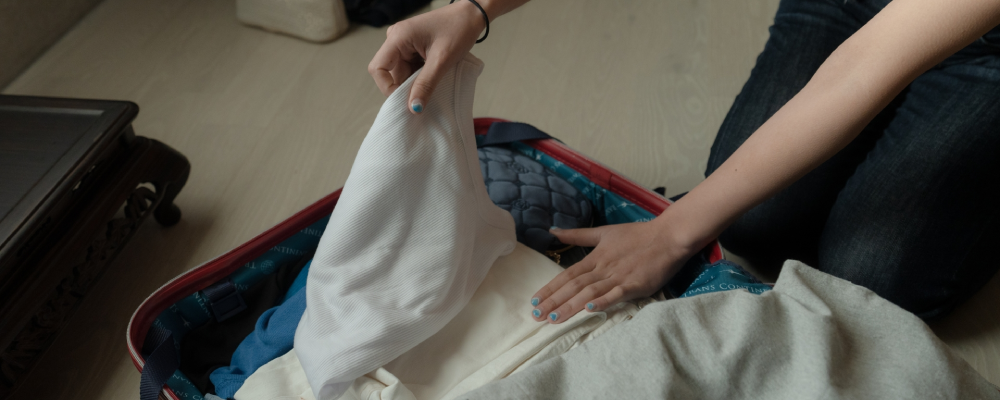
  • Use compression bags and clothing pouches . We recommend using zippered compression bags, which don't require a vacuum cleaner. By compressing your clothes to less than half their original volume, you can free up space in your suitcase, stabilize the center of gravity, and reduce the risk of damage.
  • Take heavy items in your carry-on baggage. <br> Small but heavy items such as books, gadgets, and mobile batteries should be placed in your personal belongings (such as a backpack) rather than checked baggage. Clothing you are wearing and the contents of your pockets are not included in the weight limit, so wearing a thick jacket is also an effective technique.

3. おすすめのスーツケース:New Trip 0502

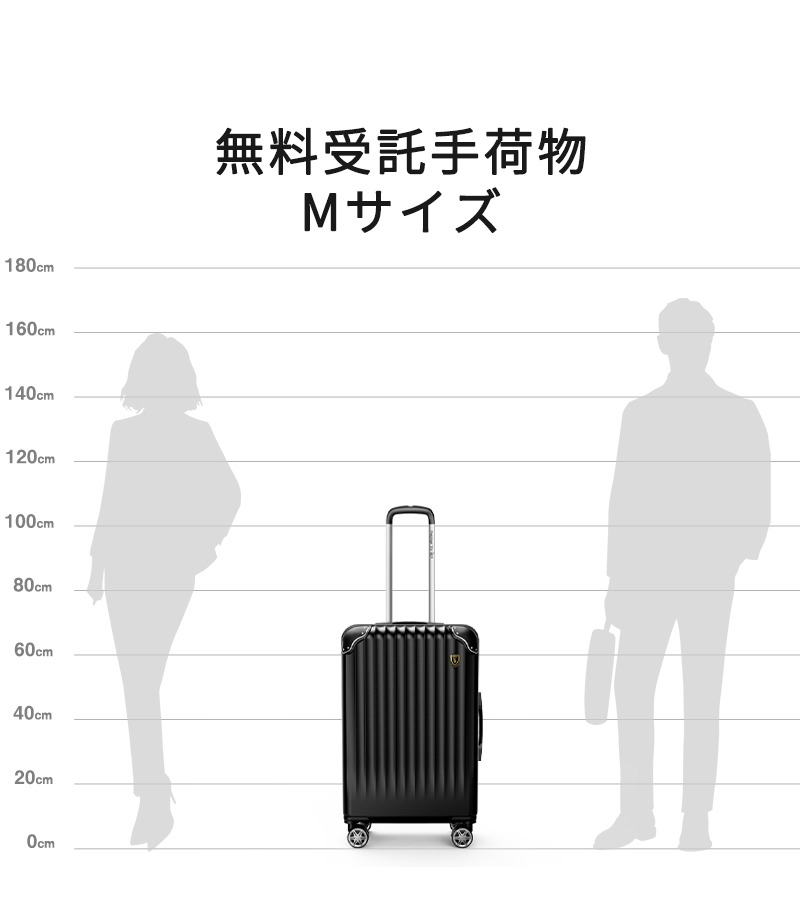
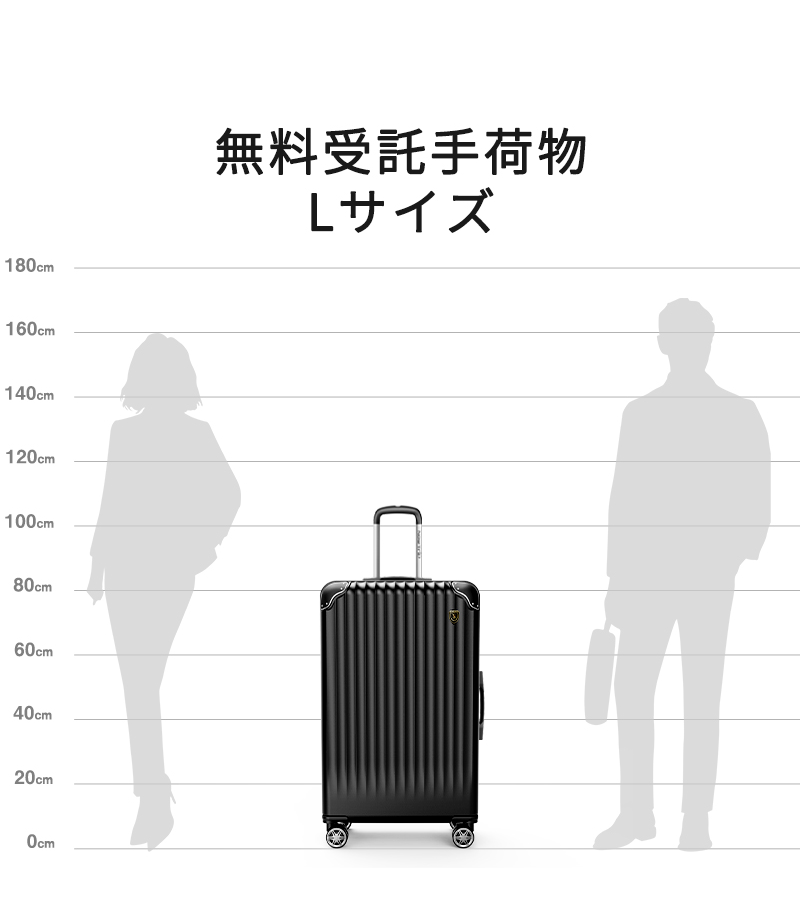
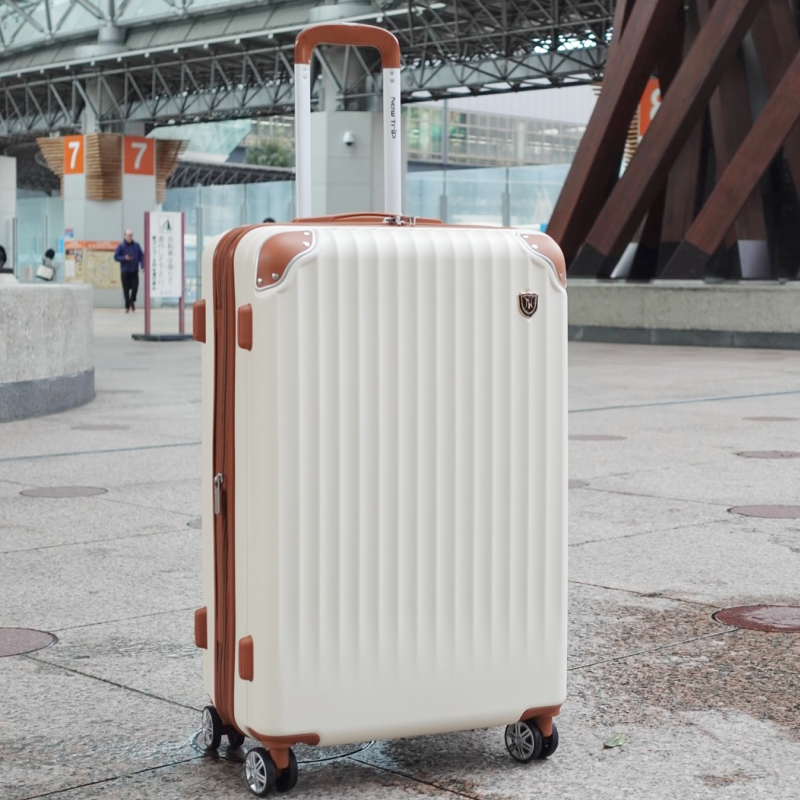
For those who want to minimize travel troubles and travel comfortably in any situation, we highly recommend the New Trip 0502 model . It is packed with features to eliminate all worries, such as the cobblestone streets and steps that are unique to traveling in Japan, sudden shopping trips, and the safe management of luggage.

高耐久・大容量・静音モデル
New Trip 0502

New Trip 0502【HINOMOTO静音キャスター&拡張機能搭載】

世界的に信頼のあるHINOMOTO製静音キャスターを採用し、日本の駅や街中での静かでスムーズな移動を実現。大容量設計と拡張機能で、お土産トラブルも未然に防ぎます。

  • HINOMOTO製静音キャスター:夜道や静かな駅ホームでも周囲を気にせず走行可能。
  • 拡張機能&大容量:ファスナー一つで容量アップ。お土産の買い過ぎにも柔軟に対応。
  • PC素材&亜鉛合金プロテクター:衝撃に強く、大切な中身をタフに守り抜く。
  • スマホスタンド&物掛けフック:待ち時間や移動中の利便性を高める最新装備。
0502の詳細を見る
Title

四、スーツケースに、新たな命を:捨てる前にもう一つの選択

When your beloved suitcase reaches the end of its useful life, instead of simply throwing it away as trash, you can contribute to a sustainable society by giving it a new purpose.

1. Reuse as a "disaster preparedness storage box"

The most practical and valuable way to reuse a suitcase is to turn it into an "emergency survival kit."

  • Benefits: The sturdy, waterproof hard case protects the food and emergency supplies inside from impact.
  • How to use: Place it near the entrance or in the corner of a closet and store water, emergency food, and a change of clothes inside. In the event of a disaster, the container has casters, so you can easily carry it to an evacuation shelter without having to carry heavy water or luggage.

2. Circulate "memories" as a resource.

Recently, there has been a growing trend to collect suitcases as resources and transform them into new products.

  • Recycling Programs: Some manufacturers and local governments, including New Trip, collect and recycle the plastic and aluminum from used suitcases.
  • The option of donating: If the casters and handles are in working order, consider donating it to people in need, either domestically or internationally, through a charity organization.
Title

五、まとめ

Travel is a precious time to escape from everyday life and enrich your mind.

We hope this guide will help you avoid having small suitcase-related problems ruin your precious travel memories. Choosing the right suitcase during the planning stage can prevent problems such as overweight luggage or damage. Knowing about airport repair services and pick-up/delivery services in case of emergencies will greatly increase your peace of mind during your trip.

On your next trip to Japan, be sure to use this knowledge to make your time more comfortable and memorable.