
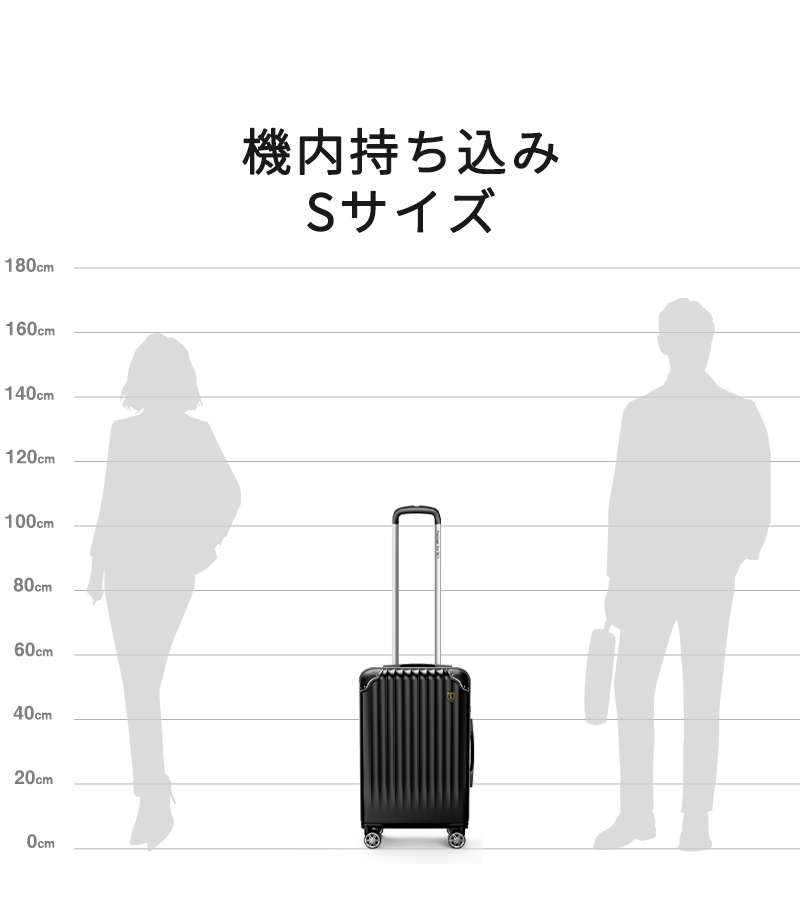
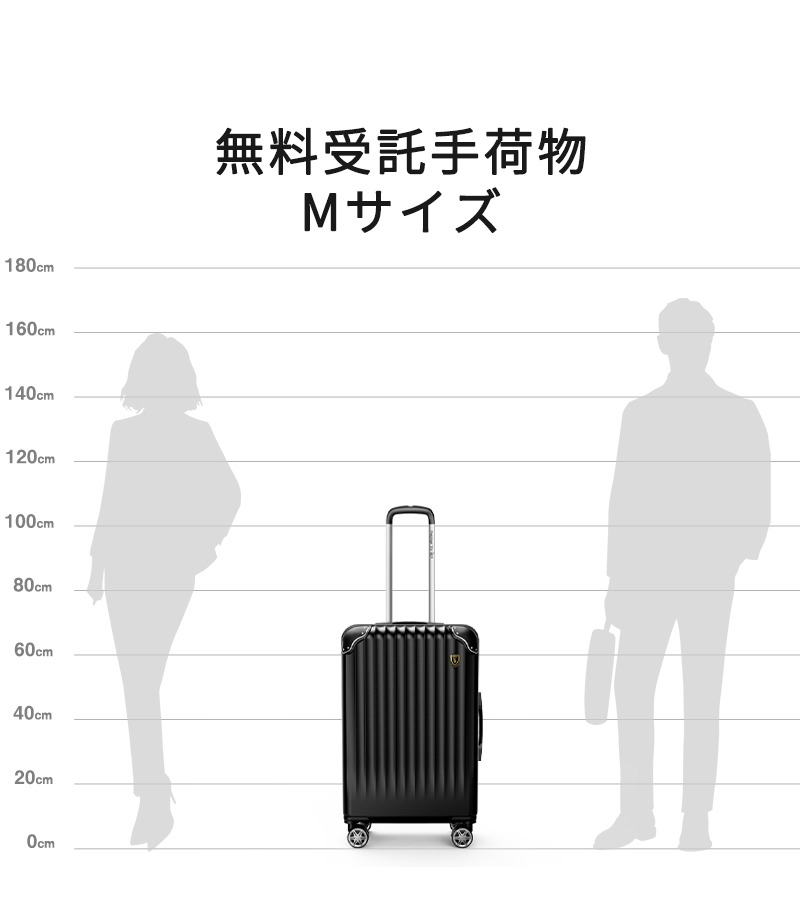
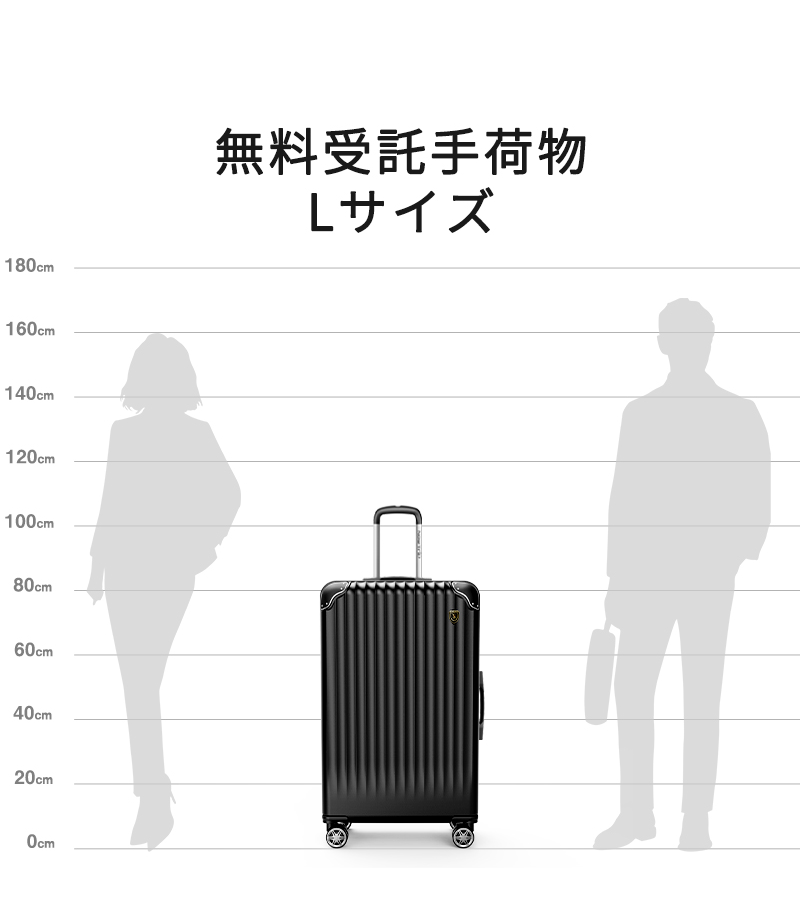

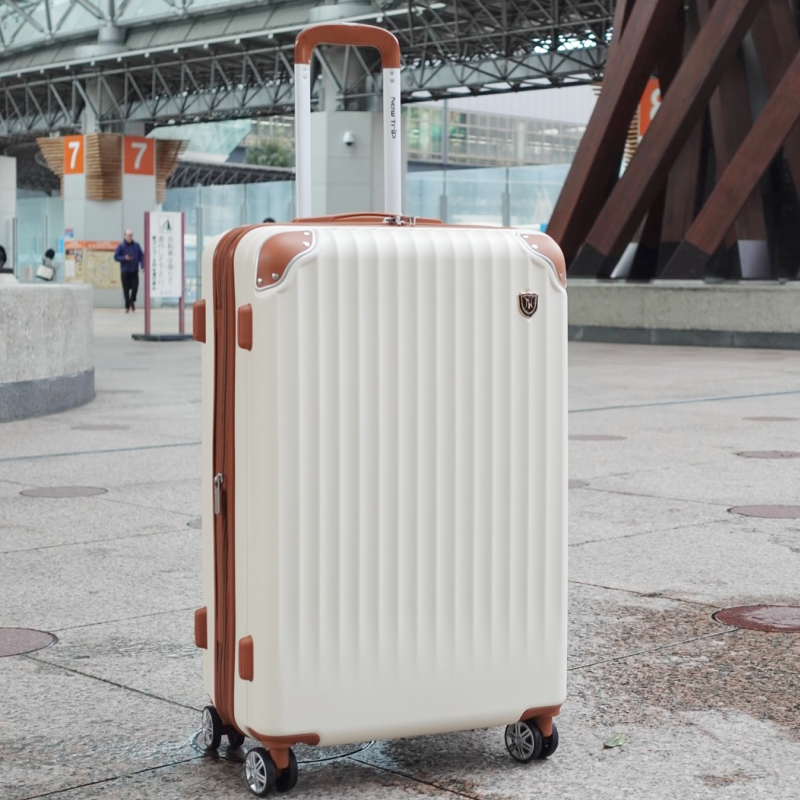


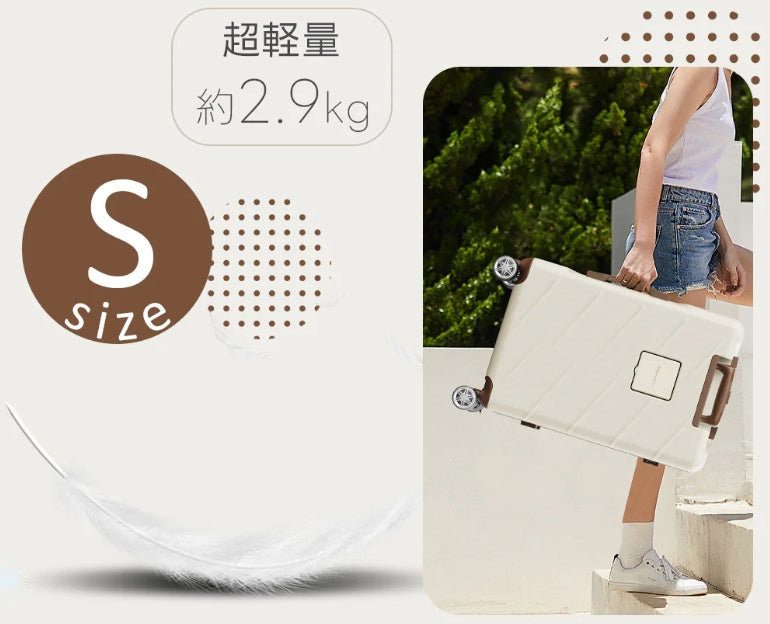
An ultra-lightweight suitcase is a suitcase made from lightweight materials and is extremely light, usually weighing between 2 and 4 kg , making it lighter than conventional suitcases.
Thanks to the optimized design and material selection, this type of suitcase minimizes weight while ensuring a certain level of durability and functionality , making it suitable for those who need to carry a lot of luggage or are weight-conscious.
They are usually developed to make them easier to carry when traveling and to help comply with airline weight restrictions, so women can carry them for long periods of time without getting tired.
Filters
10 products
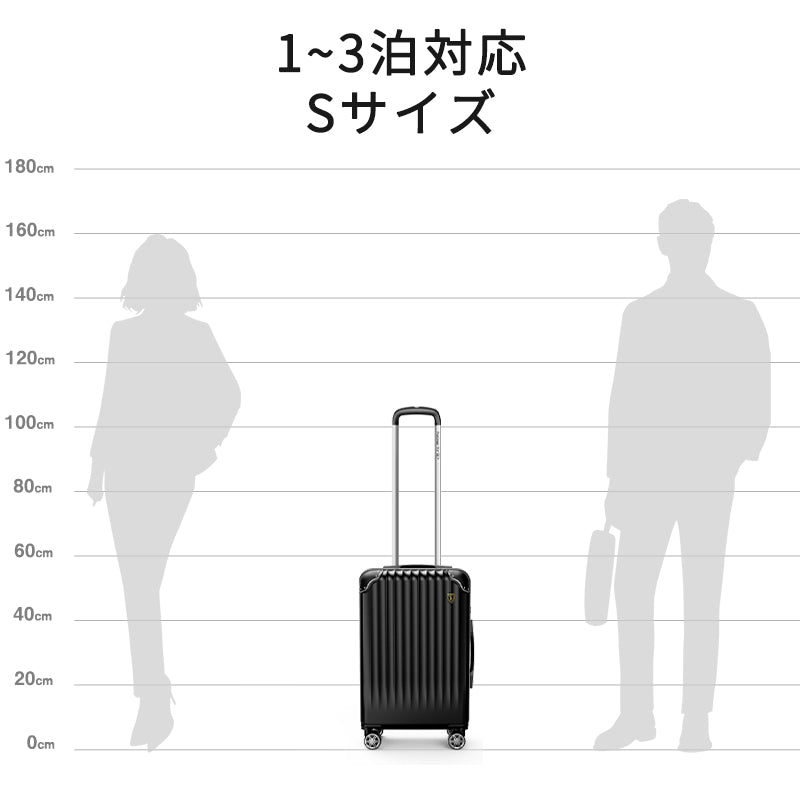
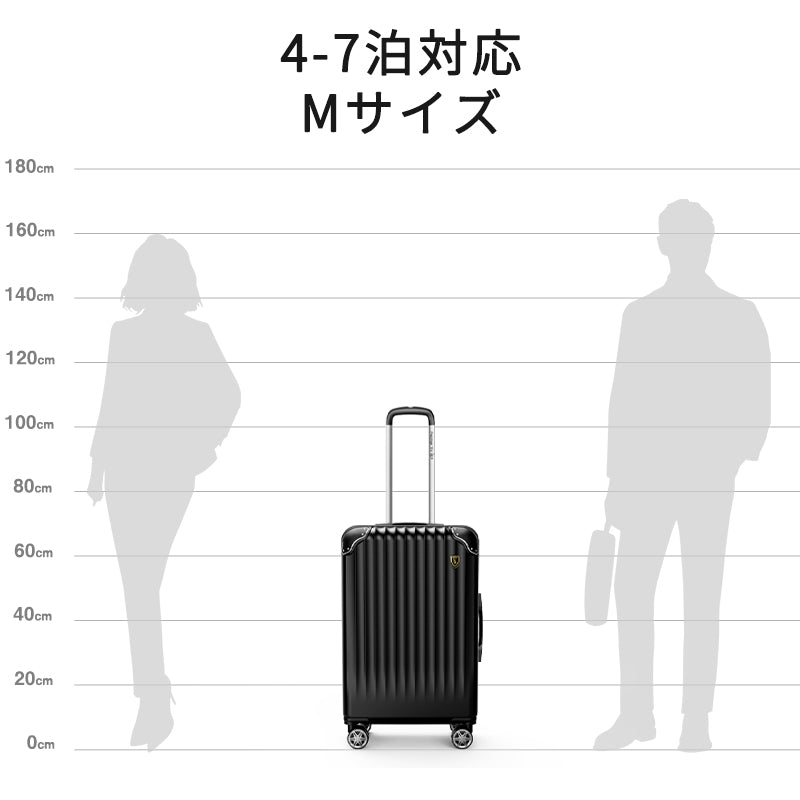
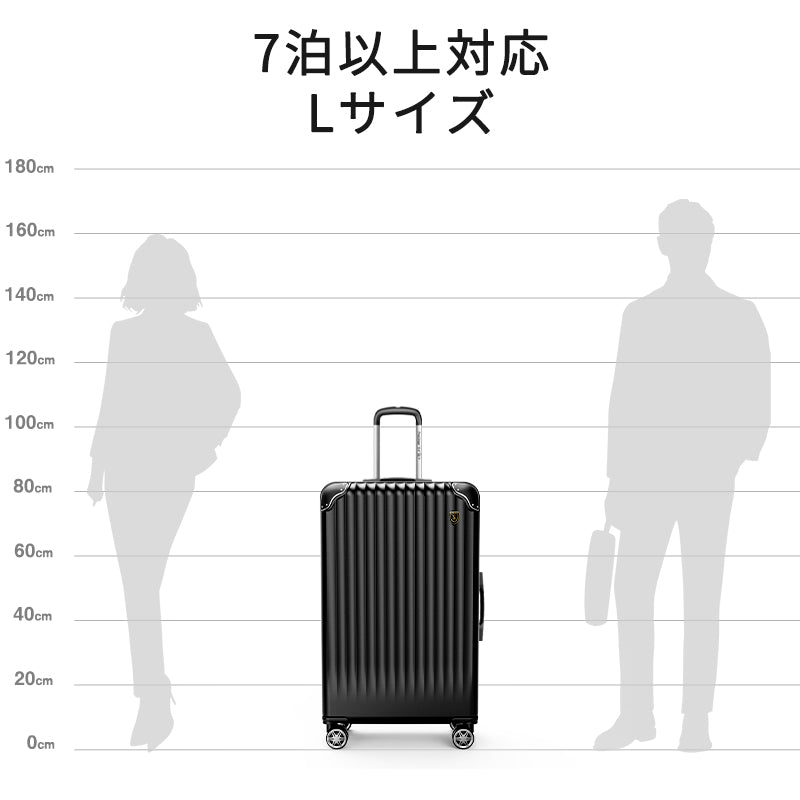
Choose by size
Choose by features
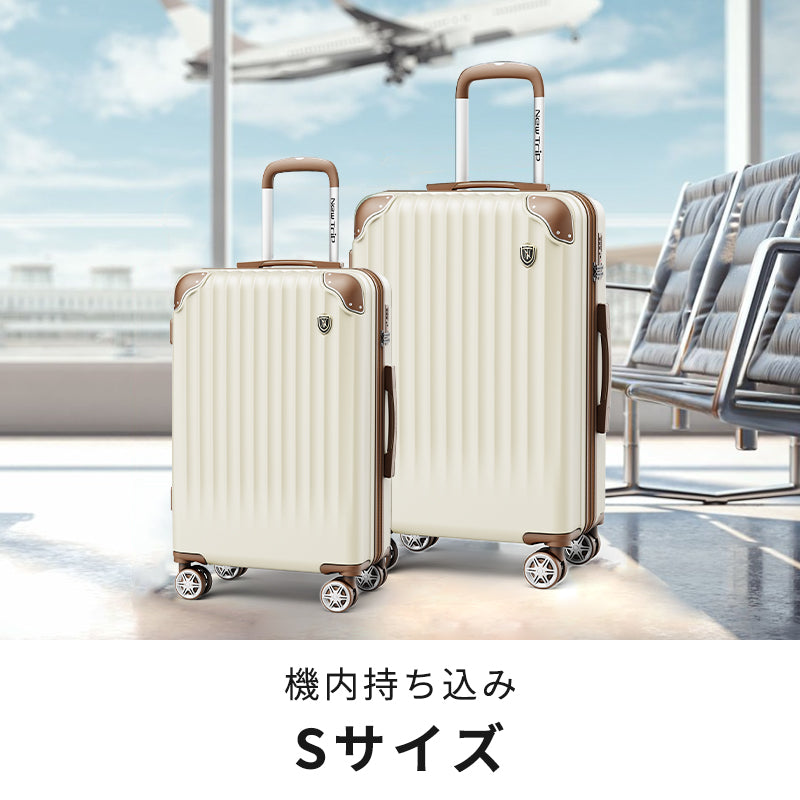
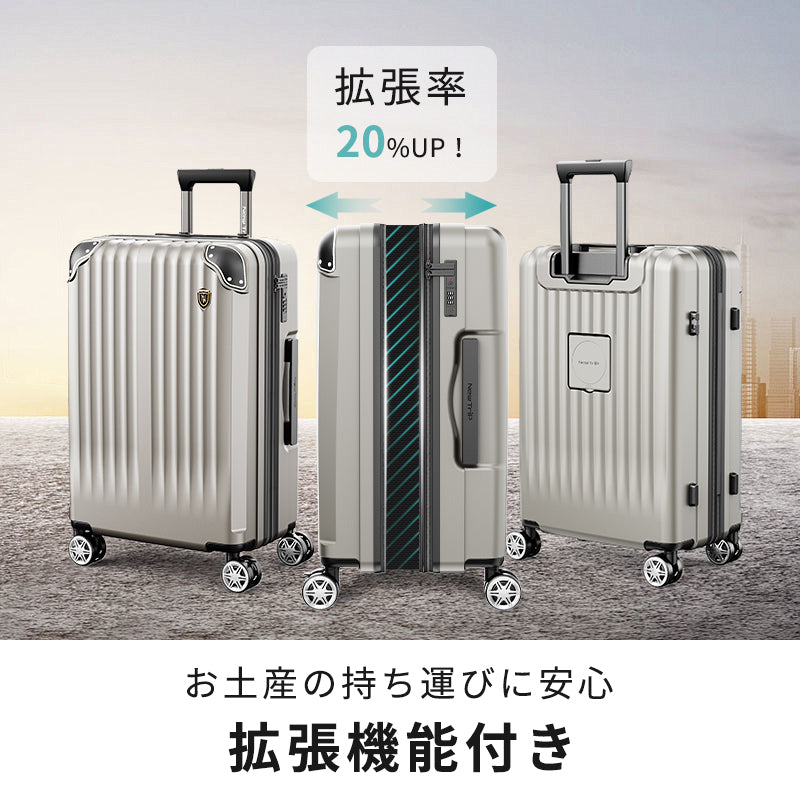
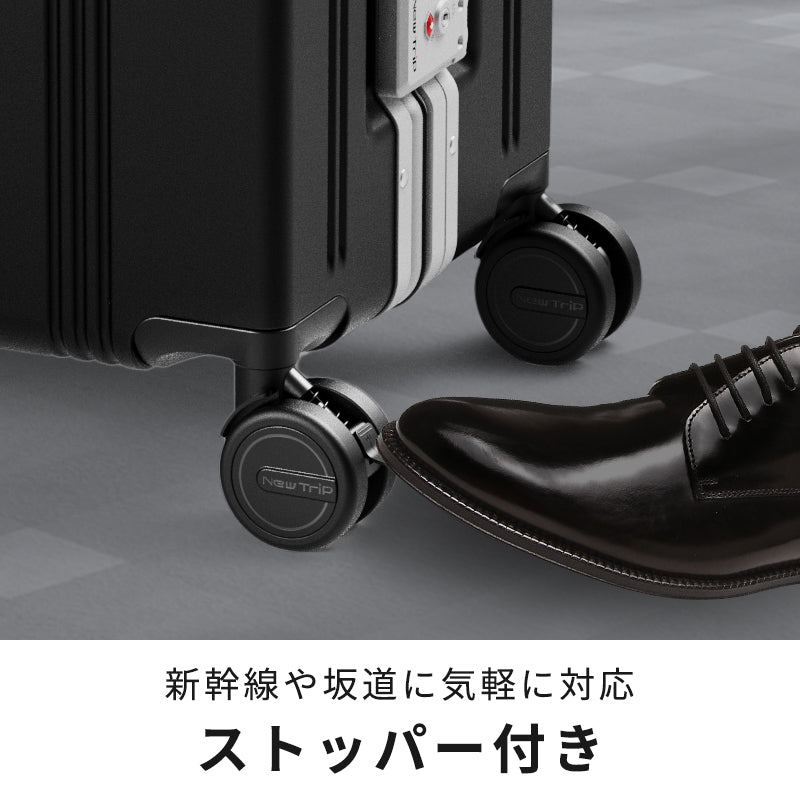
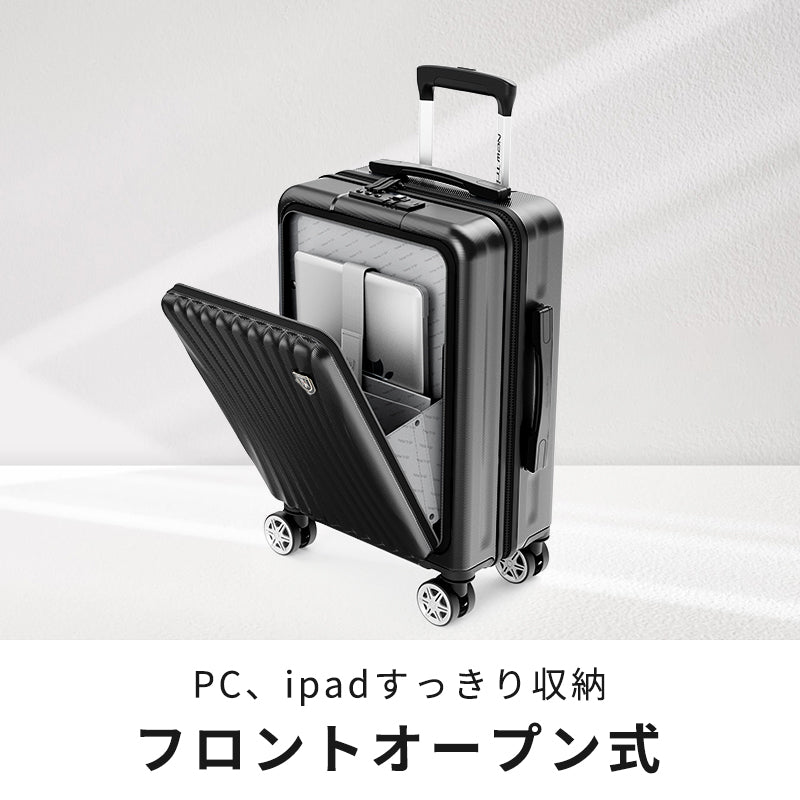
Suitcase feature comparison
FAQ (Frequently Asked Questions)
How light is a lightweight suitcase?
Generally, lightweight suitcases refer to those weighing around 2-3 kg for a small size, and 3-4 kg even for a medium size. They are designed to be lighter than traditional suitcases, with their portability being a major feature.
Aren't lightweight suitcases fragile?
Recent lightweight suitcases achieve both lightness and durability by using polycarbonate or PC+ABS materials. If you choose the right material, they are lightweight yet sufficiently shock-resistant.
Who is a lightweight suitcase recommended for?
It is recommended for women, those who are not confident in their strength, or those who travel frequently for leisure or business. Lightweight models also offer a significant advantage if you plan to carry them on board.
Is it good for carry-on?
Yes, it's a very good match. Considering airline weight restrictions (often 7-10 kg), the lighter the suitcase itself, the more luggage you can bring.
What should I look for when choosing a lightweight suitcase?
In addition to lightness, it's important to also check the caster performance, durability, and storage design. Choosing a well-balanced model will allow you to use it comfortably for a long time.
Lightweight Suitcase Buying Guide
When choosing a lightweight suitcase, the most important thing is to clarify "why you need lightness." A suitcase is not just for carrying luggage; it significantly impacts the burden and fatigue experienced during travel. Especially when considering movement through airports and stations, climbing stairs, and lifting luggage, simply having a lighter suitcase body can greatly reduce the perceived burden. In recent years, materials that are both lightweight and highly durable have become widespread, and models that balance lightness and strength are now the mainstream.
One major advantage of lightweight suitcases is that they provide more leeway with airline weight restrictions. Since there are weight limits for carry-on and checked luggage, the lighter the suitcase itself, the more items you can pack. Especially when using LCCs, where restrictions are strict, choosing a lightweight model may help you avoid additional fees. In this way, lightweight suitcases not only make them easier to carry but also lead to a practical increase in storage capacity.
In addition to lightness, the performance and maneuverability of the casters are also crucial factors that affect comfort. Choosing models with 360° rotating casters or quiet designs can further reduce stress during travel. Furthermore, if the suitcase has a caster stopper function, it can be securely fixed on trains or slopes, improving safety. Combining this with features like a front-opening function or a model with a USB port can further enhance convenience.
On the other hand, it is important to note that prioritizing lightness too much can sometimes sacrifice durability and stability. By choosing materials that offer a good balance of lightness and strength, such as polycarbonate or PC+ABS, you can use the suitcase with peace of mind for a long time.
Thus, lightweight suitcases are the optimal choice for those who prioritize "travel comfort," "weight limit compliance," and "ease of use." They are highly practical suitcases for anyone who wants to make their travel and business trips more comfortable.