
TSA Lock and Frame Type - Choosing the Best Suitcase!

  • New Trip

Last Updated: 2025.07.28

Title

There's no end to the allure of international travel, but anxiety always accompanies baggage check-in at the airport and getting around at your destination. In particular, choosing a suitcase that will keep your valuable belongings safe and allow for smooth travel is a crucial factor that determines the success of your trip.

This article introduced the appeal of TSA locks and frame-type suitcases, and provided readers with tips for choosing the best suitcase. It also included recommended suitcases, so don't miss out!

Table of Contents

Title

1. What is a TSA lock?

Title

A TSA lock is a special lock system approved by the U.S. Transportation Security Administration (TSA), offering the convenience of checking luggage with the lock still on. With this system, airport inspectors can open and close luggage without damaging it, using a special master key, thereby balancing security and peace of mind. This makes it widely recognized as an indispensable item for reducing the stress of luggage inspections during international travel.


TSA locks are particularly important when traveling to all parts of the United States (including Hawaii, Alaska, Guam, and Saipan). In these regions, you may be required not to lock your luggage for inspection, but with a TSA-approved suitcase, locking is permitted. However, TSA locks are not mandatory in countries other than the U.S., and some countries may use their own inspection methods.

Title

2. Advantages and Selection Guide for Frame Type Suitcases

Title

1. Frame vs. Zipper Type: A Detailed Comparison and Pros and Cons

When choosing a suitcase, the opening and closing mechanism significantly impacts usability and security. There are primarily two types: "frame type" and "zipper type," each with different characteristics, advantages, and disadvantages.

・Characteristics of Frame Type

Frame-type suitcases are characterized by a metal frame integrated into a hard-shell suitcase, with the lock system integrated into this frame.

 ・Advantages:

  High Security: The integrated lock system in frame-type suitcases is more difficult to pry open compared to zipper types, offering superior security.

  Excellent Water and Dust Resistance: The frame enhances sealing, making it easier to prevent the ingress of rain and dust, thereby protecting contents effectively.

  While some products specify waterproof/dustproof performance with IP ratings, this is not yet common for suitcases as a whole.

  High Impact Resistance (Content Protection): External impacts are less likely to transfer to the interior, providing a sense of security when storing fragile items like laptops or bottles.


 ・Disadvantages:

  Relatively Heavy: Due to the use of a metal frame for the opening/closing mechanism, the overall weight tends to be higher compared to zipper types.

  Requires Opening Space: As it needs to be fully opened, a large space is required for packing and unpacking.

  Impact Transmission to the Body: Since there is no "play" in the opening/closing mechanism, strong impacts can easily transfer damage directly to the body or frame, and if the frame warps, opening and closing may become difficult.

Title

・Characteristics of Zipper Type Suitcases

Zipper type suitcases are characterized by their zipper-based opening and closing mechanism.

 ・Advantages:

  Relatively lightweight: Because the opening and closing part is made of fabric, they are lighter than frame type suitcases.

  High functionality: Many models come with front-opening and expandable features, offering the advantage of easy access to contents and adjustable capacity.


 ・Disadvantages:

  Lower security and waterproofness: The zipper part is vulnerable to being forced open with tools like knives, and waterproofness is inferior.

  Impact absorption: There is a tendency for external impacts to transfer more easily to the interior.


These comparisons are crucial for travelers to choose the optimal suitcase based on their travel style, type of luggage, and priorities (security, lightness, functionality, etc.).

Title

2. Select by Material: The Latest Trends in Durability and Lightweightness

The material of a suitcase significantly impacts its durability, weight, price, and appearance. Especially with frame-type suitcases, the combination of materials used for the frame and the body is a crucial factor in determining the overall performance of the product.


Characteristics of Key Materials

・Polycarbonate (PC):

 ・Features: Polycarbonate is lightweight yet highly tough, with the characteristic of being impact-resistant and not easily breaking. Its flexibility allows it to absorb impact easily, and its scratch resistance is also appealing. Furthermore, it boasts a wide variety of colors and designs and is relatively affordable. It is so robust that it is used in windows for Shinkansen and aircraft, and even bulletproof glass.


・Aluminum Alloy:

 ・Features: Aluminum alloy is extremely robust and highly durable, with the characteristic of being heat-resistant. Its luxurious appearance is also considered suitable for business settings. In frame-type suitcases, aluminum alloy is often used as the main material for robust frame structures, and the thicker it is, the more impact-resistant and less likely to deform it becomes.  ・Disadvantages: Compared to polycarbonate, it tends to be heavier and more expensive. Also, it is important to consider that it is prone to scratches.   

Title

3. Capacity and Size Selection: A Guide by Trip Duration and Purpose, and Airline Regulations

When choosing a suitcase, capacity and size are crucial factors that directly impact your travel comfort. This is especially true for frame-type suitcases, which often have a hard shell and a fixed capacity, making it even more important to select a size that matches the amount of luggage you plan to carry.

Capacity Guidelines

It is essential to choose an appropriate capacity based on your travel purpose and duration.

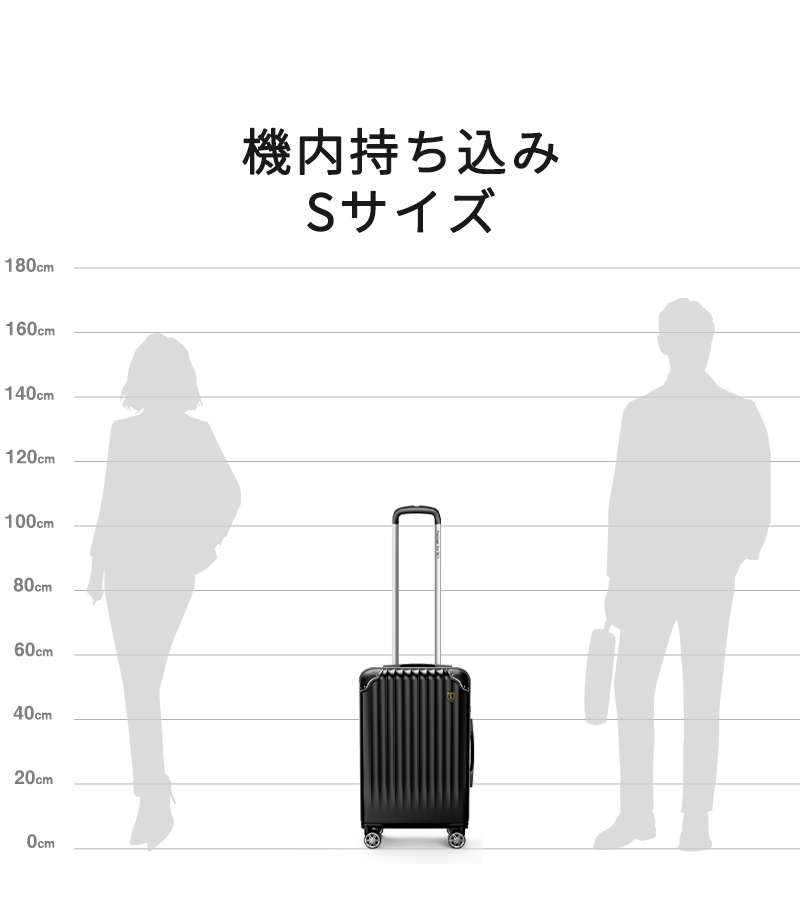
・20-40L: Ideal for short trips or business travel lasting 1 to 3 nights.

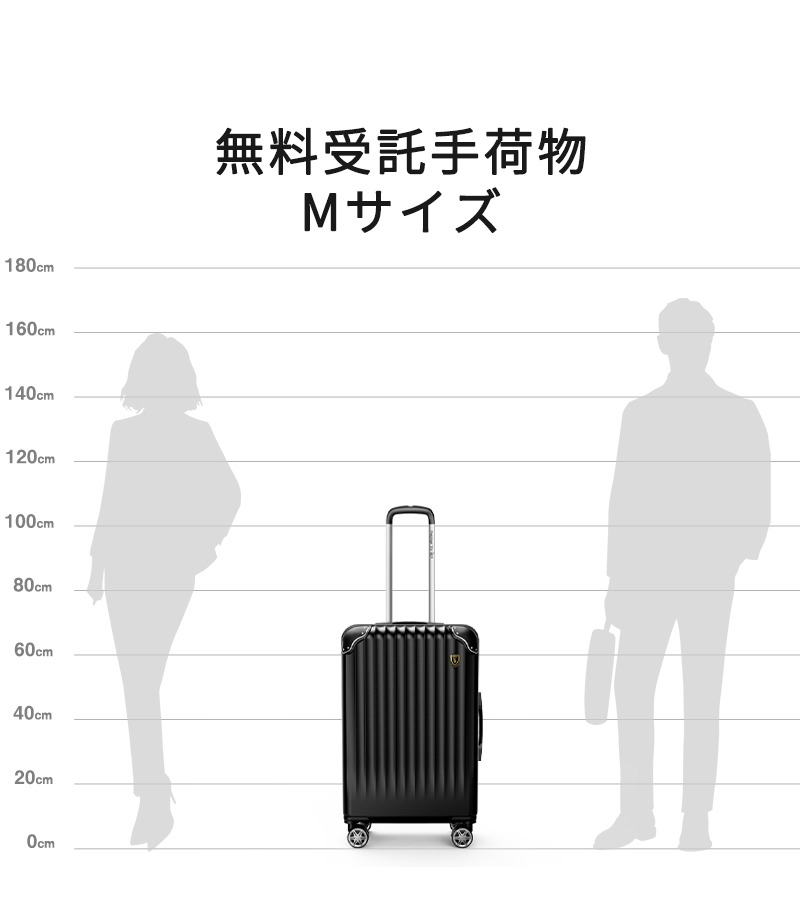
・50-70L: Perfect for medium-length trips of 4 to 7 nights, and can often accommodate family travel.

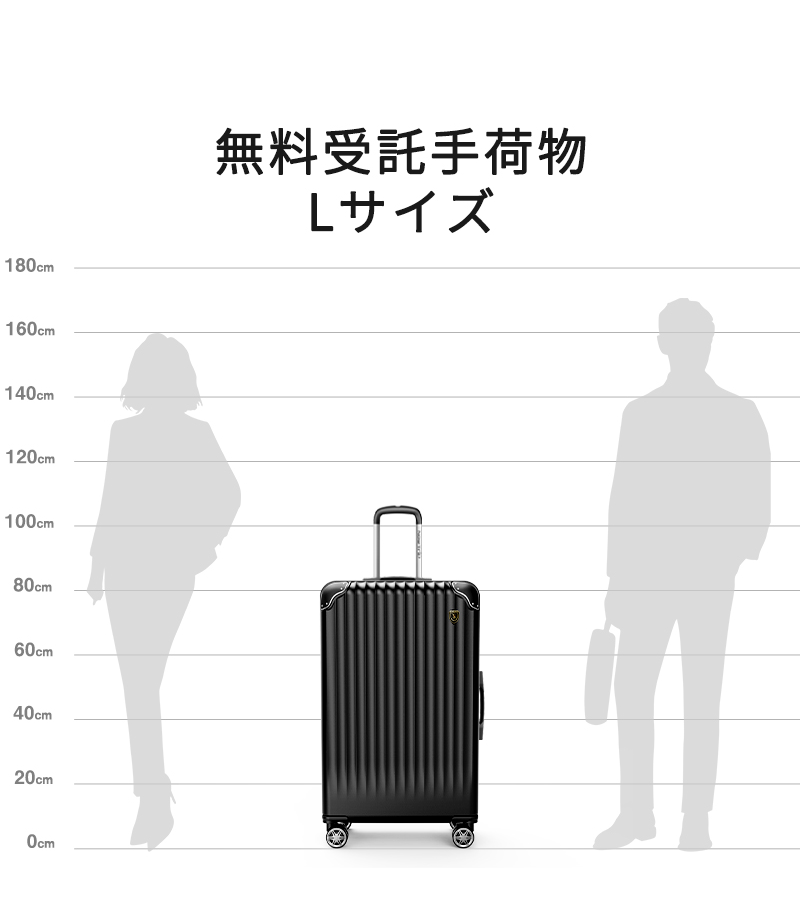
・80L or more: Recommended for long trips of a week or more, or when you plan to bring back a lot of winter clothes or souvenirs. Large sizes of 90L or more are convenient for family trips or studying abroad, but it's important to be aware of airline weight restrictions (20-32kg).

Carry-on and Checked Baggage Restrictions

When using airlines, especially LCCs (Low-Cost Carriers), you must strictly check baggage size and weight restrictions.

・Full-service airlines:

・Carry-on: The general carry-on size for domestic and international flights is usually within 115 cm in total dimensions (e.g., 55 x 40 x 25 cm) and a weight of 10 kg. This weight includes the suitcase itself and its contents.

・Checked baggage: For economy class, the typical free checked baggage allowance is 20 to 23 kg per bag. If this is exceeded, you may be able to check it for an additional fee, but there are restrictions such as a maximum weight of 32 kg per bag.

・LCCs (Low-Cost Carriers):

LCCs have stricter baggage restrictions compared to major airlines. For carry-on baggage in particular, common rules include "a total of up to 7 kg per person" and "up to 1-2 carry-on items." It's important to note that this 7 kg includes not only the weight of the suitcase but also personal items. Since specific rules vary by airline, it is essential to always check the latest regulations of the airline you are flying with before your trip.

Title

4. Choose by Functionality: Casters, Handles

The functionality of a suitcase directly impacts the comfort of your journey. In particular, casters and handles, which affect ease of movement and organization of luggage, are crucial points when choosing a suitcase.


Casters

Casters are the "feet" of a suitcase, and their quality significantly affects the comfort of movement.

・Importance: A 4-wheel type that rotates 360 degrees is standard, and models with shock absorption, quiet design, and brakes enable more comfortable movement. The larger the caster diameter, the quieter and smoother the ride can be expected.   

・Brake Function: Caster stopper functions that prevent the suitcase from rolling away on its own in trains or on slopes are extremely convenient when frequently using public transportation.


Handles

Extendable trolley handles and top handles directly relate to the maneuverability and durability of the suitcase when carrying it.

・Importance: An aluminum trolley handle with multiple height adjustments is ideal as it can be comfortably used according to your height. Since the top handle may support the entire weight of the suitcase, it is reassuring to choose a product that undergoes strict strength checks, such as those that conduct durability tests over 3,000 times, like New Trip.

・Wobbling/Malfunction Countermeasures: Problems such as handles not retracting smoothly or wobbling are common. As a temporary measure, you can try shaking the handle up and down or tapping it lightly to adjust the internal components.

Title

III.Recommended Frame-Type Suitcases

Title

Your reliable companion for enhanced travel. Embark on a secure adventure with New Trip 1101.

Official Website

Amazon

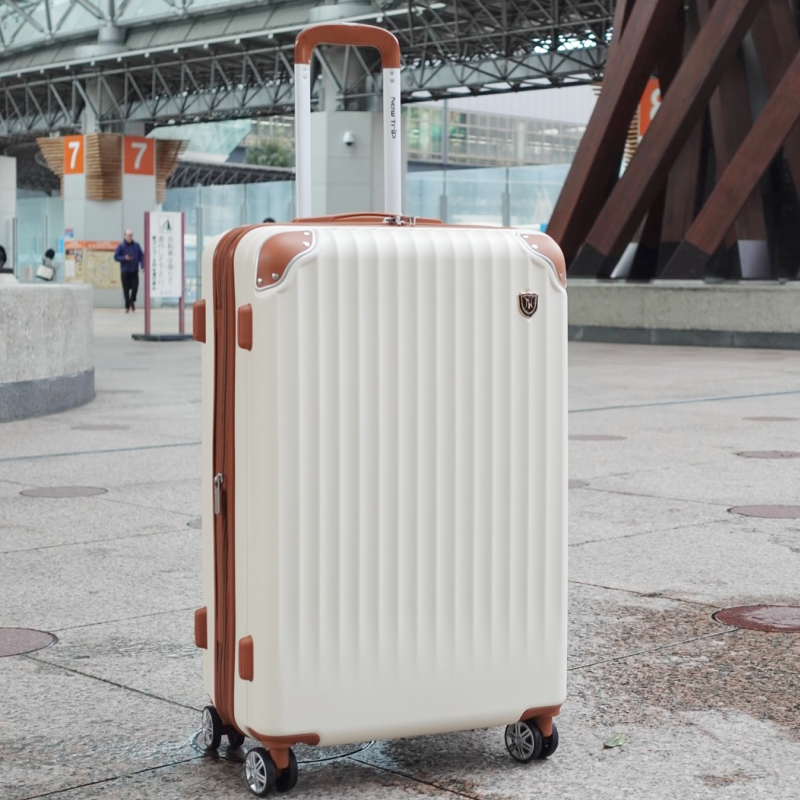
Based on the key considerations for choosing a suitcase, we confidently recommend the "New Trip 1101". This model maximizes the appeal of TSA locks and a frame-type design, making it a reliable companion for all your travel needs.


Material: 

The New Trip 1101 features an aluminum alloy middle frame with a thickness of 1.35 to 1.5mm, boasting overwhelmingly superior strength and hardness compared to conventional 0.7 to 1mm frames. This further enhances the robustness, which is the biggest advantage of frame-type suitcases, and firmly protects your valuable belongings from external impacts.

The body is made of high-toughness, high-strength polycarbonate (PC) material, which is lightweight yet impact-resistant and less prone to cracking. Furthermore, the matte finish ensures that scratches that often occur during travel are less noticeable, which is another great feature.


Functionality:

 ・Casters: Equipped with 4 casters that rotate 360 degrees freely, it achieves impact absorption and high quietness through internal springs. This allows for smooth and quiet movement on various road surfaces, such as cobblestone streets and airport terminals. In addition, it comes with brakes, preventing unintentional movement on trains or slopes, and reducing travel stress.

 ・Handle: The high-strength aluminum telescopic handle is multi-stage adjustable, allowing you to set it to a comfortable height that suits your stature.

 ・Other functions: The four corners are reinforced with aluminum alloy corner pads, making it resistant to deformation. Additionally, there is a hanging hook on the side, convenient for hanging small luggage or shopping bags. The interior is made of peach skin material, gently protecting your belongings and adding a touch of luxury.

Title

4. Suitcase Maintenance

Title

Suitcases are often heavily used as travel companions, so knowing how to maintain them properly is essential for long-lasting use.


Exterior Care:

・Wipe away dirt: After use, gently wipe dirty areas with a soft cloth dampened with water diluted with a neutral detergent. Finally, wipe off the detergent thoroughly with another water-dampened cloth, wipe off moisture with a dry cloth, and then air dry in the shade until completely dry.


Interior Care:

・Complete drying: When you return from your trip, even if you're tired, first remove all contents and it's important to allow the suitcase to dry thoroughly in a well-ventilated area with it open. Storing it while wet can lead to mold.

・Wipe away dirt: After vacuuming out any dirt or dust from the inside, dilute a neutral detergent with water, dampen a cloth, wring it out lightly, and gently dab to wipe away dirty areas.


Storage Method:

・Location: Ideally, store it in a cool, dry, well-ventilated place.

・Caster protection: If not using for a long period, protect the casters by placing the suitcase on a cloth, newspaper, or towel, and lubricate the wheels to keep them moving smoothly.

・Using a cover: Using a suitcase cover to protect the exterior can shield it from dust and scratches.

How to Prolong the Life of Your Suitcase: Thorough Care for Your Travel Companion 

Today, we'll thoroughly explain how to care for your suitcase so it lasts a long time. From care methods based on material to storage tips, after reading this, you'll be able to start your next trip with peace of mind...

Title

5. Summary

Title

When preparing for a trip, choosing a suitcase is more than just selecting a way to carry your belongings; it's a crucial decision that deeply impacts the safety, comfort, and sustainability of your journey.

A suitcase isn't merely a tool; it's a "companion" that enriches your travel experience. Making choices with a long-term perspective, considering not only the initial investment but also maintenance, repairs, and environmental impact, will ultimately lead to satisfying travels and a sustainable lifestyle.

We hope the insights gained from this article will help readers find their "best companion" for their own travels, enabling them to enjoy safe and comfortable journeys.

FAQ

1.What's the difference between a frame-type TSA lock and a regular TSA lock?

Frame-type TSA locks are integrated into hard-shell suitcases, and unlike zipper-type locks, they are directly built into a sturdy aluminum frame. This makes them highly durable and resistant to impact and unauthorized access.

2. Is it true that suitcases can be opened even with a TSA lock? Is it safe?

That's correct. TSA locks are designed to be opened by airport security personnel with a special tool. However, this does not compromise security; rather, it offers the advantage of allowing baggage to be inspected without being damaged.

3. What should I do if I forget the combination to my TSA lock?

Unfortunately, even with frame-type TSA locks, it's difficult to reset the combination yourself if you forget it. While there's a mechanism for TSA officers to open them, individuals aren't allowed to possess those tools. Therefore, you'll need to contact the manufacturer, or in the worst case, replace the lock.

4. Can frame-type TSA locks be used in any country?

While TSA locks are primarily a standard used in the United States, they are also recognized in countries that cooperate with the TSA, such as Canada, Japan, South Korea, and parts of Europe. However, some countries have their own inspection methods, so TSA locks may not be mandatory.

5. If it's a frame type, can't I increase my luggage? Does it have an expansion function?

Frame-type suitcases have a hard shell and a fixed structure, so they generally do not have expansion features like zipper-type suitcases. If your luggage is likely to increase due to souvenirs, it's best to choose a slightly larger capacity from the start.