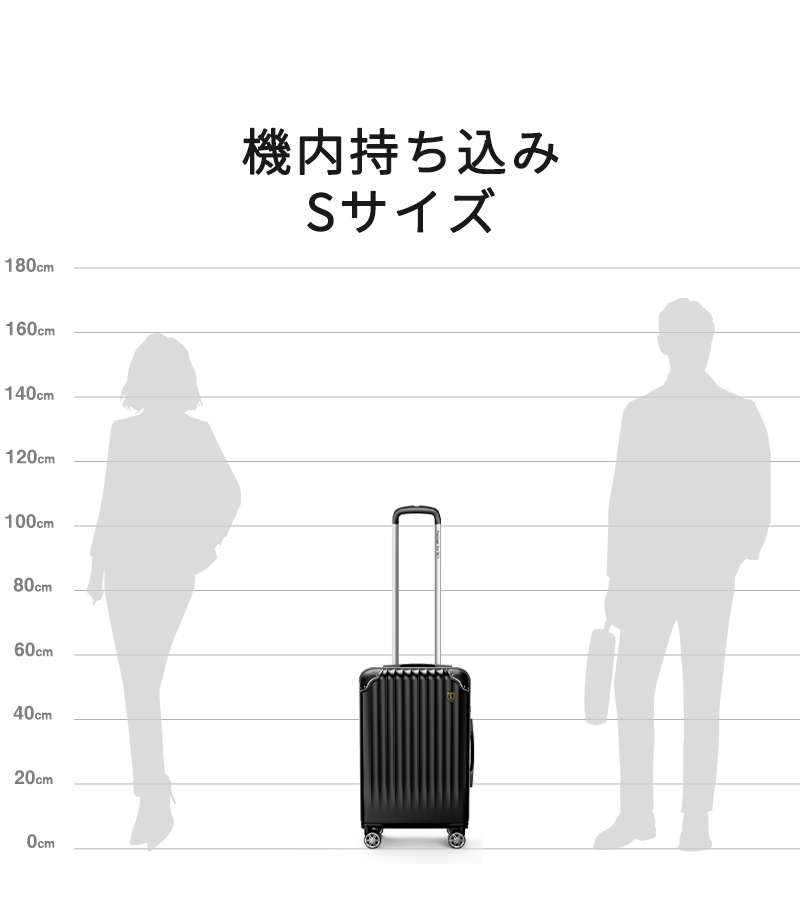

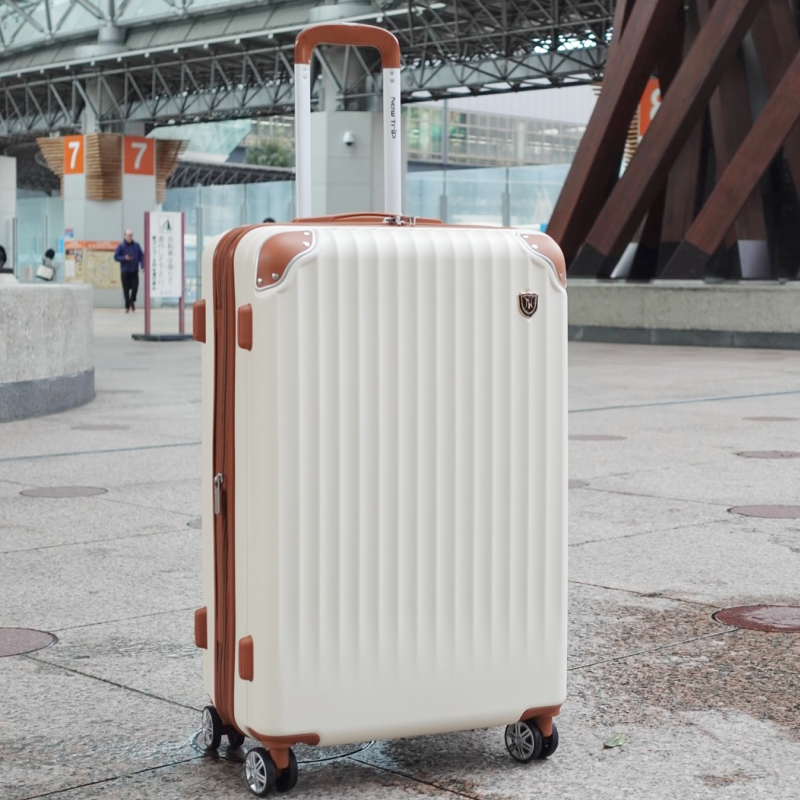


To make your trip more comfortable, it's important to choose a suitcase that's suitable for carry-on luggage. A suitcase that fits on board is generally recommended, with a size between 20 and 22 inches.
Tips for choosing a carry-on suitcase:
-Lightweight and compact : A lightweight and easy-to-carry suitcase is convenient when traveling through the airport or using public transportation.
- Airline Compliance : Different airlines have different carry-on size restrictions. By choosing a suitcase that meets your airline's size requirements (e.g., 55x40x25cm), you can avoid additional fees.
- Balance durability and design : Choose a suitcase that is durable enough to withstand long trips, but also pay attention to the design.
Browse the collection below to find the perfect suitcase for your trip. Find the suitcase with the design and features that best suits your tastes and enjoy a comfortable trip.
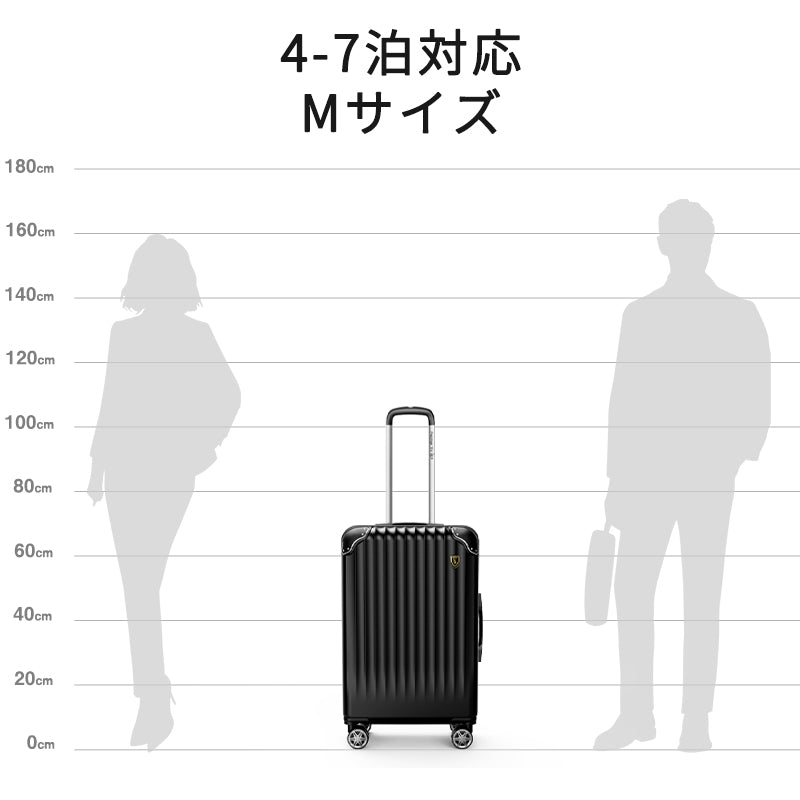
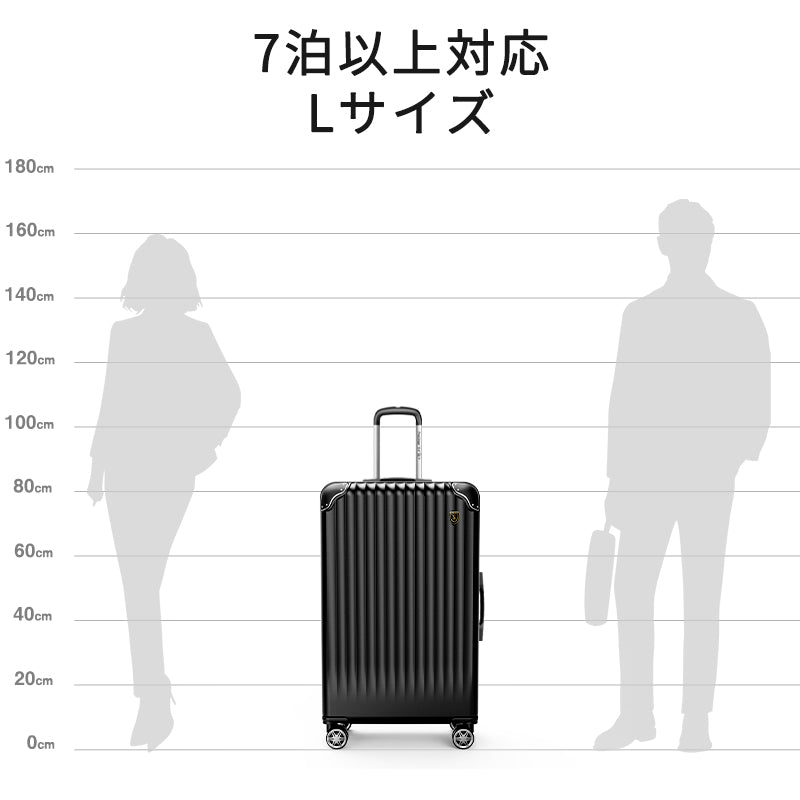
Choose by size
Choose by features
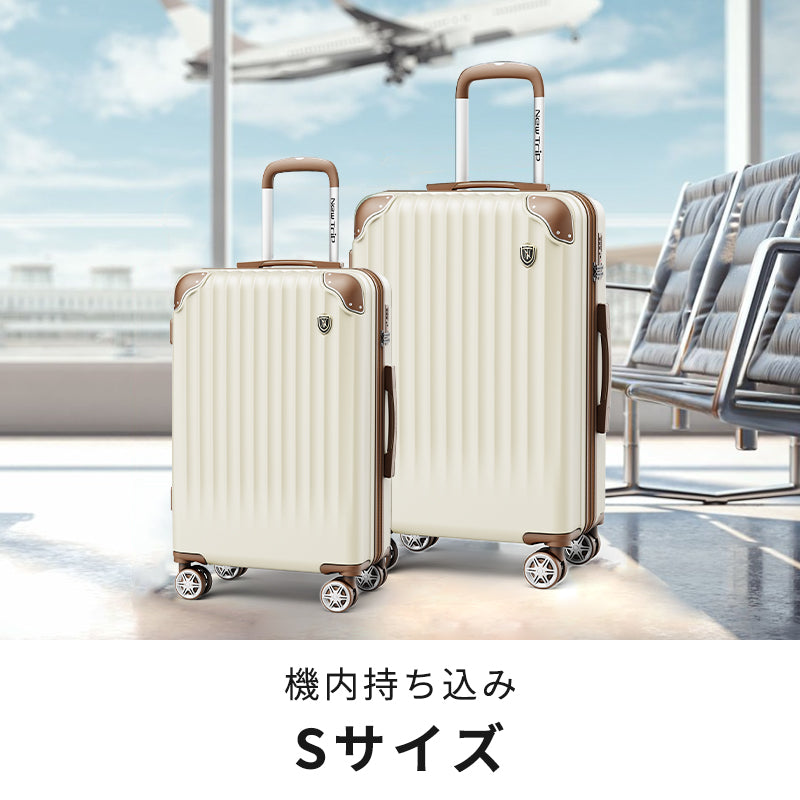
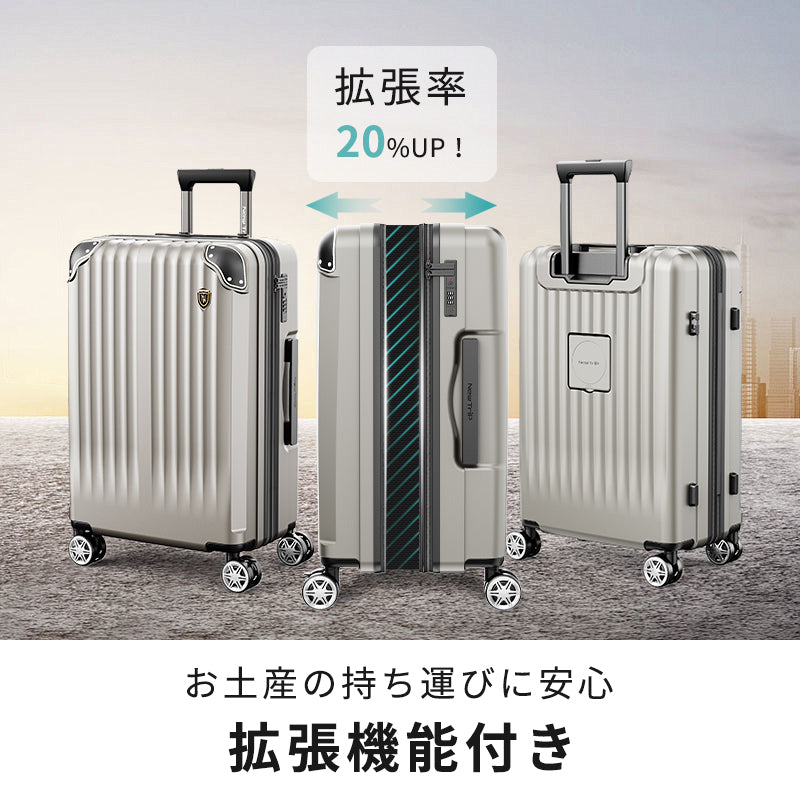
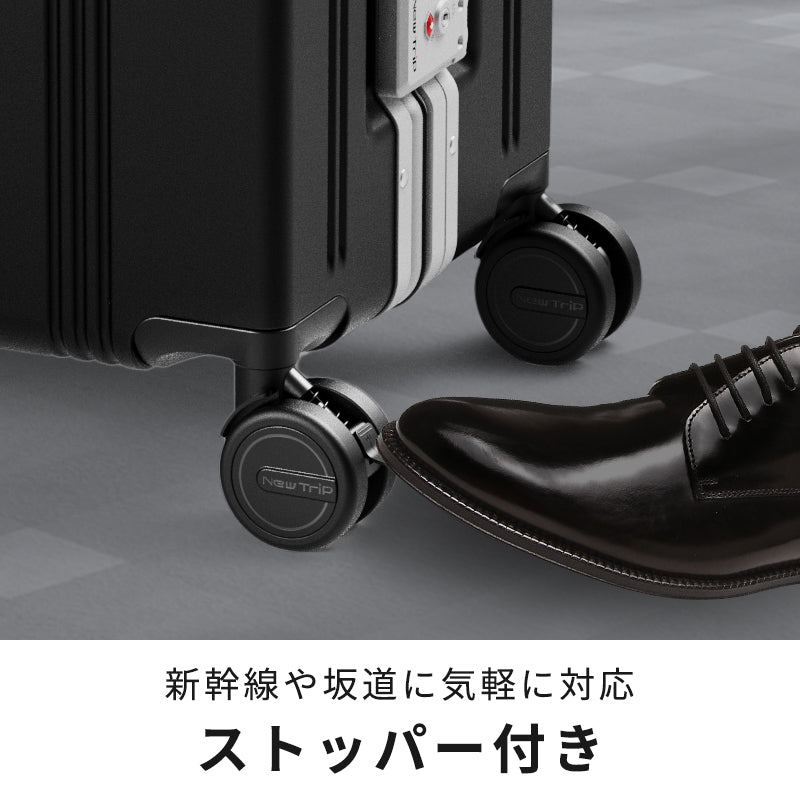
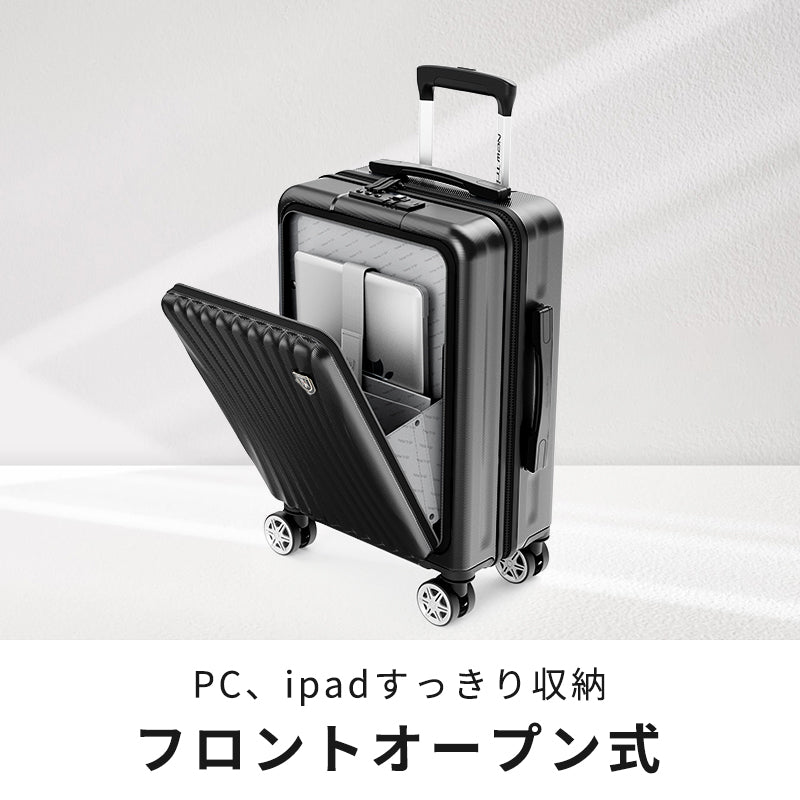
Suitcase feature comparison
FAQ (Frequently Asked Questions)
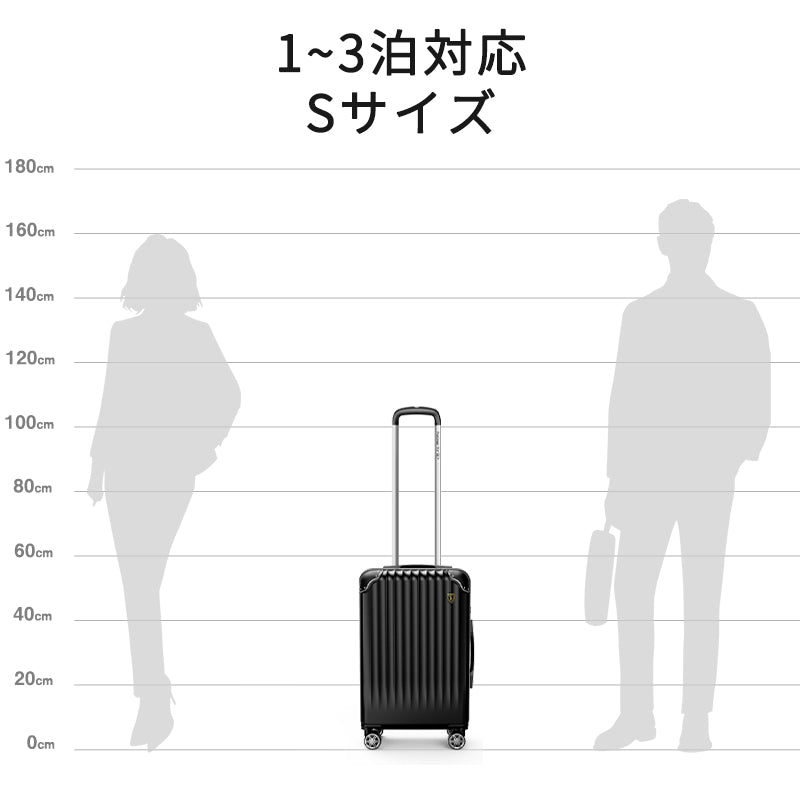
Can I bring a size S suitcase as carry-on?
The carry-on size for most airlines' domestic and international flights is around 55×40×25cm. Our S-size suitcases comply with this standard, making them ideal for short trips and business travel.
How much luggage can a size S suitcase hold?
It has a capacity of approximately 30-40L, and can store luggage for 1-3 nights. You can store items even more efficiently by using compression bags and pouches.
What should I be careful about when bringing items in my carry-on?
Size and weight restrictions vary by airline. Please check the official website for the latest regulations before boarding.
Does it have a USB charging port or expansion features?
Some models are equipped with a USB charging port and expansion features. Please refer to each product page for details.
What models do you recommend for a short trip?
The lightweight, compact S size is ideal for short trips and business trips of 1-3 nights. It's carry-on friendly, making travel smooth.
S Size Suitcase Buying Guide
1. Choosing a size based on your trip length
1-2 nights: S size around 30L
3 nights: S size around 40L
If lightweight and compact are priorities, we recommend a 30L model; if storage capacity is a priority, a 40L model.
2. Material and Durability Comparison
PC+ABS Material: Lightweight and durable, suitable for carry-on
ABS Hardshell: Focuses on impact resistance, suitable for long-term use
3. Convenient Features
Casters: 360° rotating casters for smooth operation
TSA Lock: Peace of mind for international travel
USB Charging Port: Charge smartphones and power banks
Expansion Function: Accommodates changes in luggage volume
4. Storage tips
Pack clothes compactly in compression bags.
Sort small items into pouches or organizers.
Place heavier items at the bottom and lighter items on top for stability.