Update date: 2026.02.15

How to Choose the Right Suitcase Material: A Professional Guide to Durability, Weight, and Price

Title

The most important thing when choosing a suitcase is the material.

If you choose carelessly, you may end up with mistakes such as it being too heavy and difficult to move, breaking after one impact, or being shocked by the noticeable scratches.

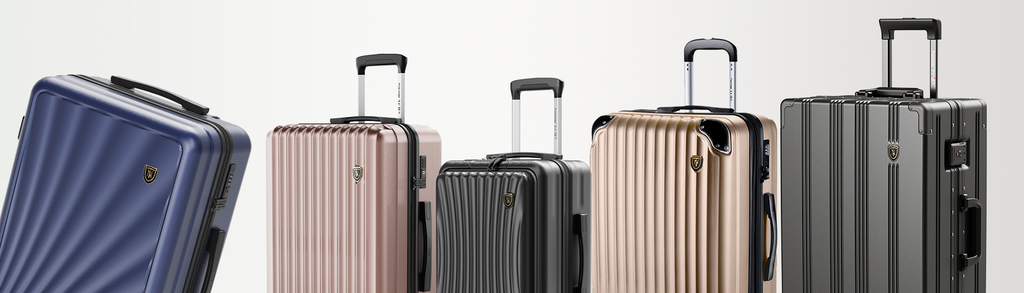
Nowadays, the options are expanding beyond the standard polycarbonate and ABS to include aluminum, fabric, and even "PC+ABS composite materials" that combine the advantages of both.

In this article, we will clearly explain the advantages and disadvantages of each material from a professional perspective, as well as how to choose weight, price, and surface treatment .

Let's find the perfect ingredients for your trip together.

Title

table of contents

\500 yen off for readers only/

Sign up for New Trip's email newsletter and receive a 500 yen off coupon that can be used on all products!

Coupon code: NT500

Simply enter your details on the payment screen and you'll get your new travel companion at a great price.

Thank you for subscribing!

一、まず知っておきたい、スーツケースに使われる主な素材一覧

Suitcase materials can be broadly classified into three categories: plastic, metal, and fiber.

Let's take a look at the strengths and weaknesses of each.

1. プラスチック系素材(主流の選択肢)

  • Polycarbonate (PC)
    Advantages: It has extremely high impact resistance and is strong enough to be used in bulletproof shields. It is lightweight and elastic, so it does not easily break even when subjected to impact.
    Cons: High quality but expensive. Some people find the 100% polycarbonate body too soft.
  • ABS resin
    Advantages: The surface is hard and scratch-resistant. It can be manufactured inexpensively, making it cost-effective.
    Disadvantages: It lacks elasticity and may crack in extremely low temperatures or when subjected to strong impact. It is slightly heavier than polycarbonate.
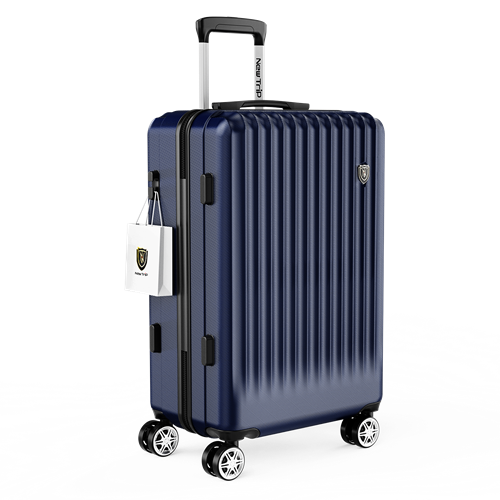
  • PC+ABS resin (composite material) ★New Trip adopted
    Advantages: A hybrid material that combines the best of polycarbonate's "shatter resistance" and ABS's "hardness and low cost."
    Disadvantages: Quality can vary depending on the blend ratio, so it is important to choose a reliable manufacturer.

2. 金属系素材(ステータスと堅牢性)

  • Aluminum alloy (duralumin)
    Advantages: It has extremely high security and an overwhelming sense of luxury. The more you use it, the more dents and scratches will become, giving it a unique character.
    Disadvantages: Very heavy (even the small size can weigh over 4kg), very expensive, and once dented, it cannot be restored.

3. ソフト・繊維系素材(機能性と柔軟性)

  • Polyester/Nylon
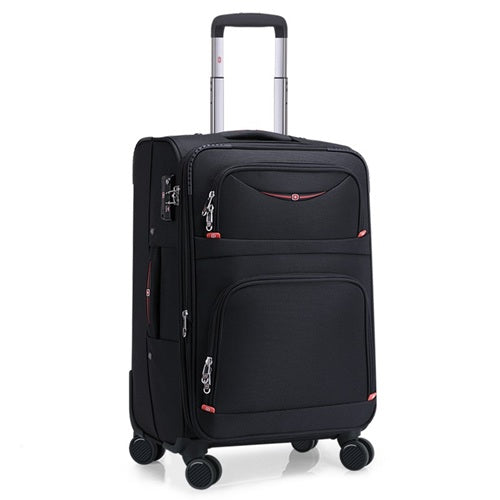
    Advantages: It's flexible, so it's easy to add an outer pocket and you can stuff a little bit of luggage in it. It's convenient for quickly taking out your laptop when carrying it on a plane.
    Disadvantages: It is vulnerable to water and dirt, and there is a risk of it being cut with a knife, so there are concerns about security when traveling abroad (checking it in).
Title

二、比較!素材ごとの「重量」と「価格」の損益分岐点

The most common mistake when choosing materials is selecting them solely based on price and then regretting it later because of their weight.

Here, we introduce two perspectives for correctly judging cost-effectiveness.

1.「軽さ」は、飛行機の超過料金を節約する投資

Especially when using low-cost carriers (LCCs), carry-on baggage is often strictly limited to "up to 7kg".

  • Heavy materials (ABS or aluminum): The main body alone weighs approximately 3.5-4 kg. Only about 3 kg of contents can be placed inside.
  • Lightweight materials (PC or PC+ABS): The main body weighs approximately 2.5-2.8 kg. This leaves over 4 kg of extra space for the contents.

It's only a difference of 1 kg, but that's the "break-even point" where you either get to buy one more souvenir or pay several thousand yen in excess baggage fees at the airport. In other words, "choosing lighter materials saves you money on future travel costs."

2.【素材別】重量と価格の目安(Sサイズ/機内持ち込みの場合)

We have summarized the balance between "low price" and "ease of portability" depending on the material.

素材 重量(目安) 価格帯(目安) コスパ評価
ABS樹脂 3.0kg〜 5,000円〜 安さ重視。近場の旅行向け。
PC+ABS混合 2.6kg〜 8,000円〜 最高コスパ。軽さと強さのバランス良。
PC 100% 2.4kg〜 15,000円〜 性能重視。頻繁に旅をするプロ向け。
アルミ合金 4.0kg〜 50,000円〜 ステータス重視。重さは許容が必要。

3.「1回あたりの使用コスト」で考える

Rather than buying a cheap ABS plastic bag that breaks after one or two trips, using a PC+ABS bag that costs several thousand yen more and lasts for five or ten years will ultimately result in a significantly lower cost per trip (purchase price ÷ number of trips).

Title

三、見た目の美しさと寿命を左右する「表面仕上げ」

Once you have decided on the material for your suitcase, the next thing to look at is the surface finish of the body.

Depending on the processing method, the "worn out look" after a few uses will change significantly.

1. 鏡面(グロス)仕上げ

  • Features: It has a mirror-like shine and vivid colors.
  • Advantages: It has a luxurious feel and is eye-catching at airports. It is also suitable for sticking stickers.
  • Disadvantages: It is very susceptible to scratches, and scratches are easily noticeable. It also tends to attract fingerprints and other dirt.

2. マット仕上げ

  • Features: It has a matte finish and a smooth texture.
  • Advantages: It has a sophisticated and refined look, making it suitable for business settings. A key advantage is that fingerprints are less noticeable compared to a mirror finish.
  • Disadvantage: If scratched with a sharp object, it may leave a mark.

3. エンボス・シボ加工(★実用性No.1)

  • Features: This process creates a fine, textured surface.
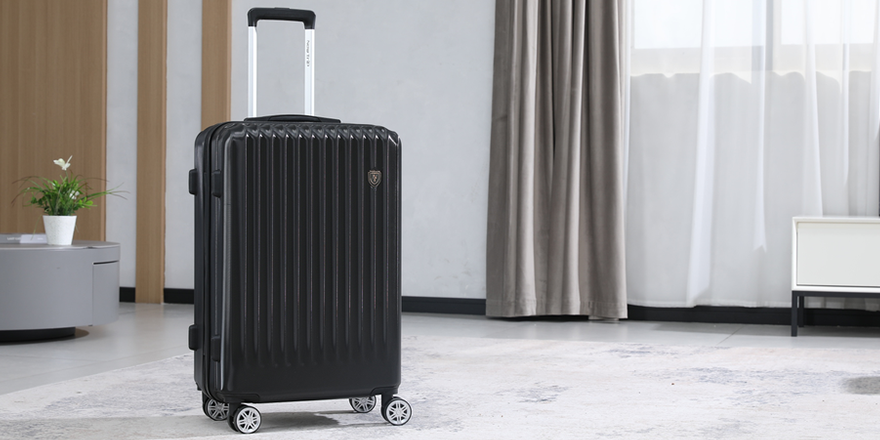
  • Benefits: The biggest advantage is that "scratches are less noticeable." The uneven surface disperses impact, making it easier to maintain its beauty even after rough handling at airports, which is why it's used in many New Trip models.
  • Disadvantages: It does not have the flashy gloss of a mirror finish.
Title

四、ライフスタイル別・あなたにぴったりの素材選びチャート

Now that you understand the characteristics of the materials, let's choose the "right" option that best suits your travel style.

1. 【海外旅行・長期滞在】なら「PC」

  • Reason: It needs to be flexible enough to withstand rough handling at the airport (throwing, stacking). Furthermore, since luggage tends to get heavy with souvenirs, a lightweight "PC" is the best choice for avoiding excess baggage fees.
  • Recommended surface finish: embossed/textured (can be used roughly without worrying about scratches).

2. 【国内出張・短期旅行】なら「布製(ソフトタイプ)」

  • Reason: If you frequently need to take out your laptop, documents, or folding umbrella while traveling, a fabric bag with a front pocket is overwhelmingly more convenient. The ease of accessing your belongings even in the cramped seats of a bullet train is a major advantage.
  • Recommended material: High-density nylon (highly water-repellent and durable).

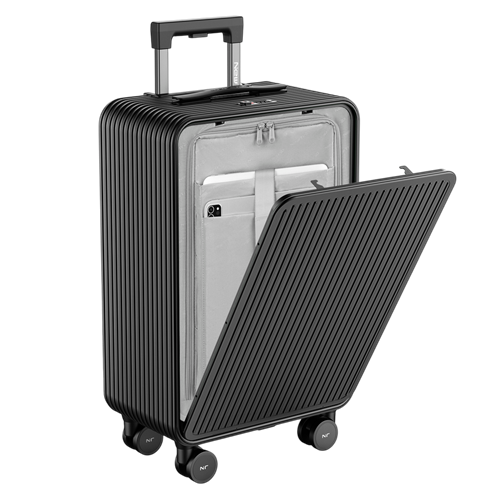
3. 【機材搬送・絶対に壊したくない荷物】なら「アルミフレーム」

  • Reason: When transporting photographic equipment or precision instruments, an aluminum frame type with high body rigidity provides peace of mind. It is heavier, but it offers superior "protectiveness."
  • Recommended for: Photographers, creators, and professionals who prioritize a high-end feel.

4. 【予算重視・たまにしか行かない旅行】なら「PC+ABS」

  • Reason: For domestic trips only about once a year, or if you mainly travel by car, an inexpensive PC+ABS bag will suffice. Using the saved budget for local meals or hotel accommodations is a smart way to travel.
Title

まとめ

Finally, why do we at New Trip use "PC + ABS" in so many of our models? It's because we are convinced that this material is the one that can "reduce travel stress the most."

  • "Strength" that doesn't cause worry about it breaking
  • Lightweight for effortless movement
  • A price that makes it easy to replace or add to your collection.

In our pursuit of the perfect balance between these three elements, we arrived at a unique hybrid material with our own proprietary formula.

Understanding the properties of materials enhances the quality of your trip.

We hope your next journey will be lighter and more reassuring, thanks to the reliable materials you choose.